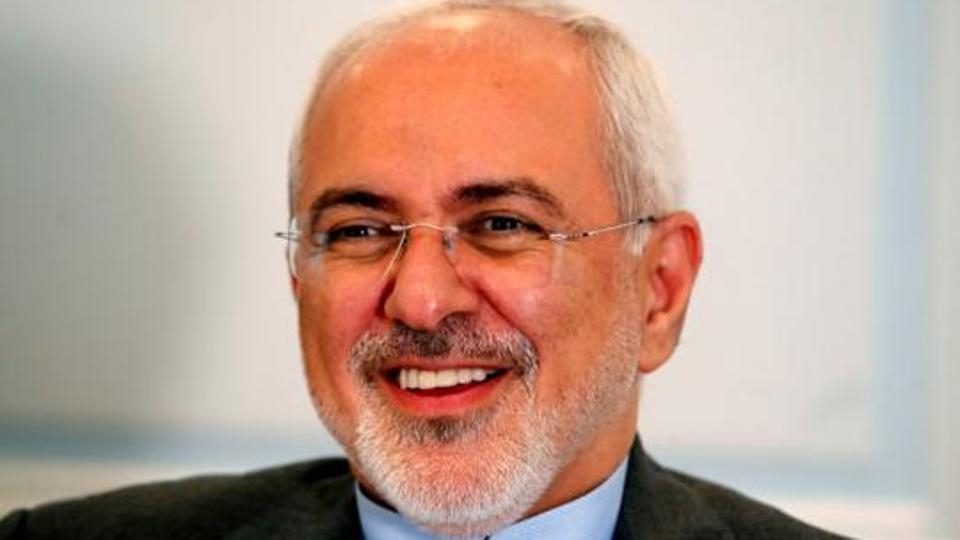
The US Treasury is nothing more than a “jail warden”, Iranian Foreign Minister Mohammad Javad Zarif tweeted on Thursday, a day after Washington imposed fresh sanctions designed to choke off the smuggling of Iranian oil.
The United States on Wednesday blacklisted an “oil for terror” network of firms, ships and individuals allegedly directed by Iran’s Islamic Revolutionary Guard Corps (IRGC) for supplying Syria with oil worth hundreds of millions of dollars in breach of US sanctions.
“OFAC (Office of Foreign Assets Control of US Treasury) is nothing more than a JAIL WARDEN: Ask for reprieve (waiver), get thrown in solitary for the audacity. Ask again and you might end up in the gallows,” Zarif wrote on his Twitter account.
Since last year, when President Donald Trump pulled out the United States from a 2015 nuclear deal between Iran and Six powers and reimposed sanctions on Tehran, Washington has intensified a US “maximum pressure” campaign aimed at eliminating Iran’s oil exports, its main source of income.
“The only way to mitigate US #EconomicTerrorism (sanctions) is to decide to finally free yourself from the hangman’s noose,” Zarif said in his tweet.
Since May, Iran has started reducing its compliance with the agreement aimed at pressuring European parties to the pact to shield its ailing economy from the US sanctions.Tehran said on Wednesday it would further breach the deal on Friday.