
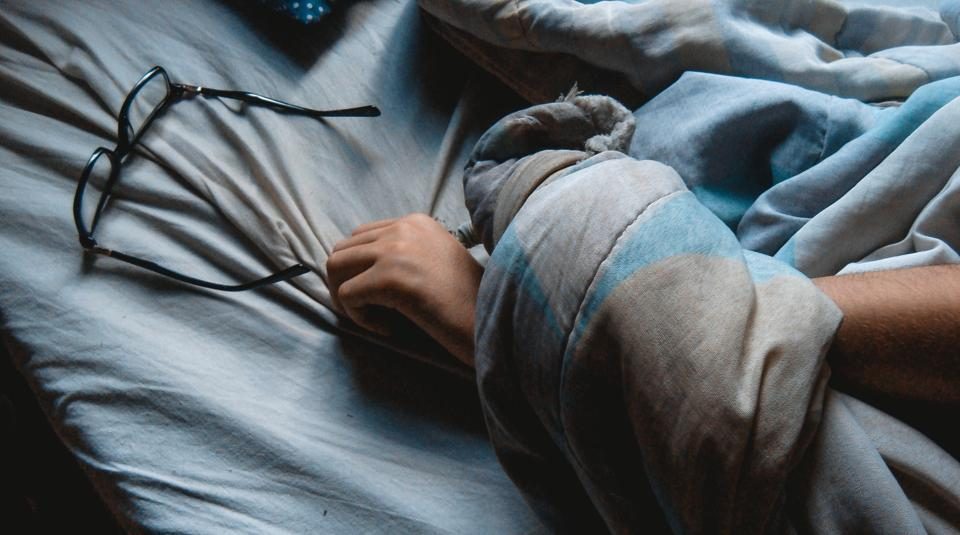
What can bolster the risk of cancer and early death in mid-aged adults with high blood pressure, type 2 diabetes, stroke is less sleeping hours!
Yes, it has been found that these adults are at a high risk of cancer and dying early if they sleep for less than six hours a day.
The findings were published in the Journal of the American Heart Association.
“Our study suggests that achieving normal sleep may be protective for some people with these health conditions and risks,” said lead author Julio Fernandez-Mendoza, Ph.D., associate professor at Pennsylvania State College of Medicine and sleep psychologist at the Sleep Research & Treatment Center of the Penn State Health Milton S. Hershey Medical Center in Hershey, Pennsylvania.
Researchers analysed data of more than 1,600 adults (20 to 74 years old, more than half women) from the Penn State Adult Cohort who were categorized into two groups as having stage 2 high blood pressure or Type 2 diabetes and having heart disease or stroke.
Participants were studied in the sleep laboratory (1991-1998) for one night and then researchers tracked their cause of death up to the end of 2016.
In this study, of the 512 people who passed away, one-third died of heart disease or stroke and one-fourth died due to cancer.
People who had high blood pressure or diabetes and slept less than 6 hours had twice the increased risk of dying from heart disease or stroke.
People who had heart disease or stroke and slept less than 6 hours had three times the increased risk of dying from cancer.
The increased risk of early death for people with high blood pressure or diabetes was negligible if they slept for more than 6 hours.
“Short sleep duration should be included as a useful risk factor to predict the long-term outcomes of people with these health conditions and as a target of primary and specialized clinical practices,” Fernandez-Mendoza said.
Sleep duration in this study was based on observing one night’s sleep, which may be affected by the first-night effect where participants sleep significantly worse the first night in a lab compared to other consecutive nights, which is the type of sleep study routinely used in clinical practices.
(This story has been published from a wire agency feed without modifications to the text.)
Follow more stories on Facebook and Twitter