Taiwan is hoping to repeat a convention-breaking telephone call with the incoming US president, in defiance of warnings from China.
Taiwan’s government is in discussions over arranging a phone call between President Tsai Ing-wen and Joe Biden, foreign minister Joseph Wu told lawmakers in Taipei on Thursday.
“On the topic of congratulating the U.S. president-elect, we will do it in the most appropriate way,” Wu said. “We are communicating about this. We are considering various ways, including a phone call, to congratulate the new president.”
Four years ago, Donald Trump took a congratulatory call from Tsai, the first time a US president-elect had spoken to a Taiwanese head of state since Washington broke ties with Taipei in 1979. The Communist government in Beijing, which claims Taiwan as part of its territory despite never having controlled the island, dismissed the call as a gimmick.
Asked by lawmakers if a Biden refusal to take Tsai’s call would represent a diplomatic setback for Taiwan, Wu said any call would have no bearing on the health of ties with the US.
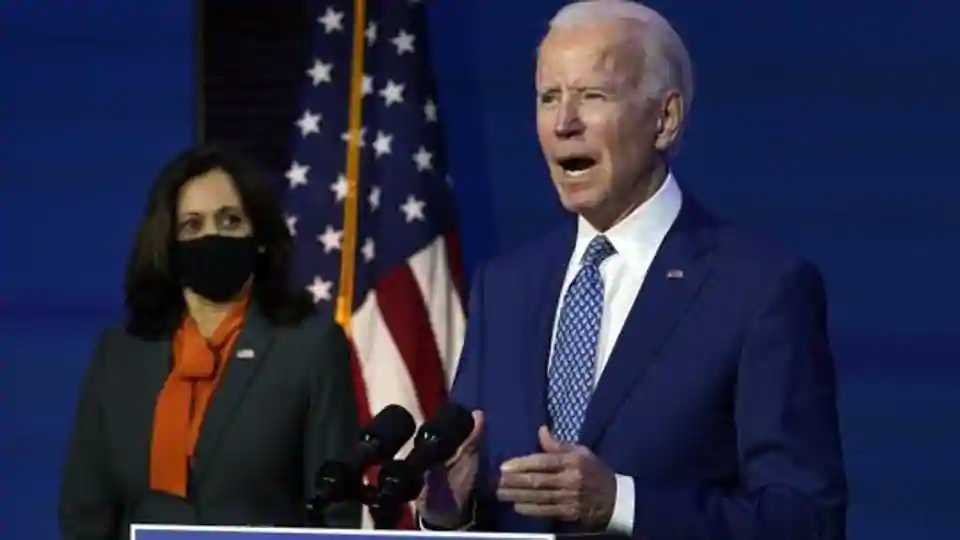
Tsai was among the first to congratulate Biden and Vice President-elect Kamala Harris on their election victory, saying in a tweet that she looked forward to working together to further strengthen US-Taiwan relations and contributions to international society.
Biden’s acceptance or refusal of a phone call with Tsai will go a long way to clarifying whether he plans to continue the Trump administration’s tough stance on China — or show greater deference to Chinese sensitivities, especially in his dealings with Taipei. While Biden offered to deepen ties with Taiwan in an op-ed in the largest US-based Chinese-language newspaper last month, he has stopped short of offering specifics on which parts of Trump-era China policies he would change.
Biden spoke to the leaders of Japan and South Korea on Thursday, reassuring them of his commitment to maintaining security alliances with both countries. While the US doesn’t formally recognize Taiwan as a country, Washington is the democratic island’s main security backstop against Beijing’s ongoing threats of invasion.
The Trump administration last week agreed to sell Taiwan four Reaper drones, the latest in almost $5 billion of military sales announced over the past few weeks designed to make Chinese strategists think twice about attempting to capture the island. The sales come as China’s air force continues to pile pressure on Taiwan, with regular sojourns into the island’s Air Defense Identification Zone, or ADIZ.